



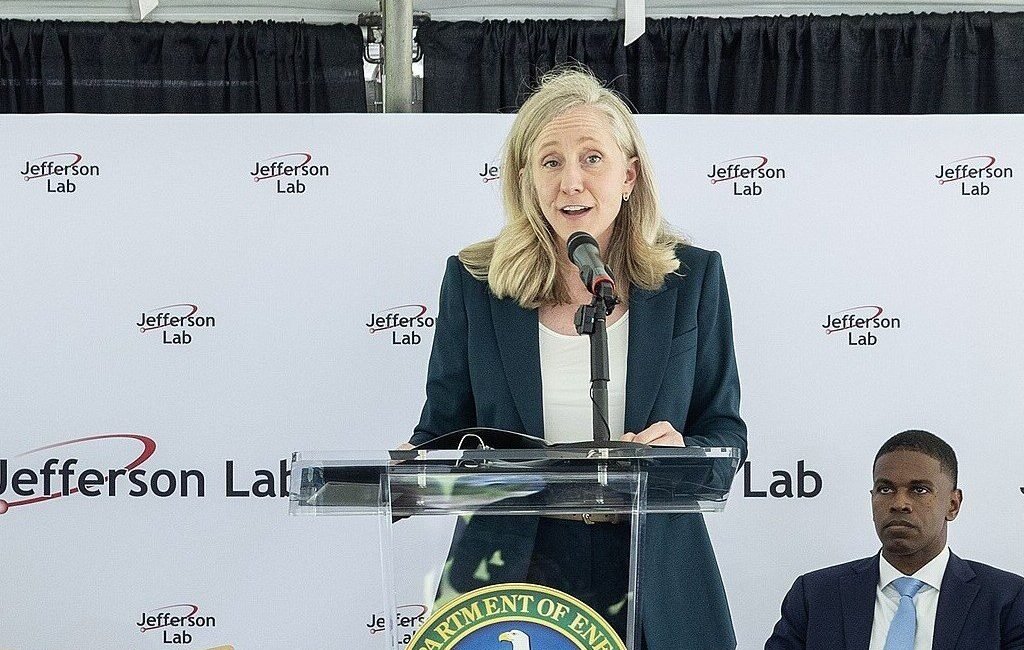
Spanberger declares the emergency as crews restore power and assess damage.

Virginia opens a recovery period after the coastal storm
Gov. Abigail Spanberger declared a state of emergency in Virginia on November 27, 2026, after a severe coastal storm.
The governor’s office said the storm brought heavy rainfall, strong winds, coastal and tidal flooding, and hazardous conditions. “Today, I am declaring a State of Emergency to support recovery from this week’s coastal storm,” Spanberger said. She said state agencies were working with local governments and utility partners to restore power, keep travel safe and support neighbors, and she thanked first responders who had worked “around the clock — and over the holiday.”
The Virginia Department of Emergency Management is coordinating with localities on initial damage assessments of homes, businesses, public infrastructure, utilities and other affected areas. That information, the governor’s office said, will be used to determine whether Virginia meets the threshold for federal assistance and, if it does, the Commonwealth will seek all available opportunities.
The Virginia Emergency Support Team was activated on Wednesday, November 25, to coordinate the state response, support localities, assess damage and manage recovery. During the storm, the office said, localities managed the response with their own resources and turned to established support when they needed more help.
Executive Order 23 opens state resources for 30 days
Executive Order 23, signed on November 27, 2026, proclaims the emergency because of significant coastal flooding, roadway closures and reported damage to property and critical infrastructure. It says that beginning Wednesday, November 25, coastal communities faced elevated tidal levels and sustained winds, resulting in significant coastal flooding, and that the Virginia Emergency Support Team was activated that same day.
The order makes state resources and financial assistance available as authorized. It directs continued activation of the Virginia Emergency Operations Center and the Emergency Support Team, allows agency heads, with their Cabinet secretary’s concurrence, to waive certain state requirements and enter contracts without the usual formalities, and activates Virginia’s price-gouging law. It also authorizes a maximum of $250,000 in state sum-sufficient funds for mission assignments and response and recovery operations coordinated through the Virginia Department of Emergency Management, as allowed by the federal Stafford Act. The order remains in force for 30 days unless it is amended or rescinded, and it also covers preparatory actions that began on November 25.
Officials say the storm has passed, but the effects have not
Lauren Opett, the state coordinator of the Virginia Department of Emergency Management, said the storm had passed but that its impacts may continue to affect communities. “We encourage Virginians to remain cautious and follow guidance from local officials as conditions improve,” she said. The governor’s office advised people to avoid flooded roadways, stay away from downed power lines, use caution around debris and standing water, check on neighbors and follow official alerts.
In an interview with WTOP, Spanberger said the declaration would let the emergency agency work directly with localities on the damage assessment and “put us on a path toward being ready and able to apply for federal disaster validation.” She said fire chiefs and local emergency officials told her the storm surge had crested the land higher than it had in Hurricane Isabel. She also said crews were making progress on power repairs, with some help coming from as far as Canada, and that the damage was not “one or two downed trees” but “an entire line’s worth” in large parts of the state.
Conclusion
The emergency declaration does not, by itself, deliver federal disaster aid. It frees state resources, extends the recovery effort already under way since November 25, and starts the damage assessments that will decide whether Virginia can seek help from Washington. For households still dealing with flooded roads, downed lines and outages, the gain is access to that state support. The loss is not yet tallied. VDEM is still collecting and checking the local reports that will show how large it is.
Frequently Asked Questions
-
When did Governor Spanberger declare the emergency, and why?
She declared it on November 27, 2026, in Executive Order 23, after a coastal storm that brought heavy rainfall, strong winds, coastal and tidal flooding, roadway closures and reported damage to property and critical infrastructure. The Virginia Emergency Support Team had been activated on November 25.
-
What does the state of emergency do?
The governor’s office said it makes state resources and financial assistance available as authorized and helps state agencies and local governments address the storm’s effects. The order, which lasts 30 days unless it is changed, also activates Virginia’s price-gouging law and authorizes up to $250,000 in state funds for response and recovery operations coordinated through VDEM.
-
Is Virginia already approved for federal disaster aid?
No. VDEM is collecting and validating damage assessments from localities. The governor’s office said that data will be used to determine whether Virginia meets the threshold for federal assistance; if it does, the state will seek all available opportunities.
-
What have officials asked residents to do?
They have urged people to avoid flooded roads, never drive through standing water, stay away from downed power lines and report them to the utility, use caution around debris, check on neighbors, and follow local emergency officials and official alerts. Opett said impacts may continue even though the storm has passed.
-
How did Spanberger describe the flooding?
In a WTOP interview, she said local fire chiefs and emergency officials told her the storm surge brought water that crested the land higher than it had in Hurricane Isabel. The official order describes significant coastal flooding from elevated tidal levels and sustained winds beginning November 25.
References
- Office of the Governor of Virginia. (2026, November 27). Governor Spanberger declares state of emergency for severe coastal storm.
- Spanberger, A. D. (2026, November 27). Executive Order 23 (2026): Declaration of a state of emergency due to severe coastal storm.
- Constantino, A., & Chen, A. (2026, November 27). Virginia declares state of emergency after powerful Thanksgiving storm. WTOP News.
Photo: Jefferson Lab, public domain, via Wikimedia Commons