


US News
Three leaders stage a hollow peace in Shenzhen with no war deal.
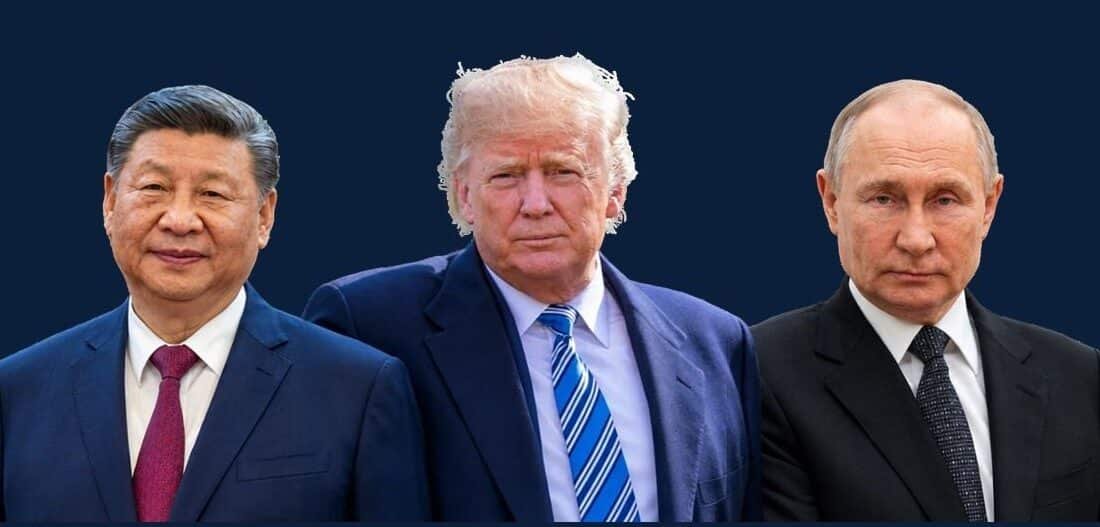
Three leaders stage a hollow peace in Shenzhen after Trump, Xi and Putin meet. They talk about nuclear arms and the wars in Ukraine and Iran. A joint declaration follows, but they announce no deal to end either war.
Key facts
- The meetingThursday, Nov. 19, in Shenzhen, on the sidelines of APEC
- The claimA joint “Declaration toward Peace”
- The gapNo deal to end the wars in Ukraine or Iran
- The nuclear line“A nuclear war cannot be won and must never be fought”
Analysis: Three leaders stage a hollow peace
This analysis starts with a clear judgment. Three leaders stage a hollow peace. They meet in Shenzhen, and they leave the wars in place.
On Thursday, President Donald Trump sat down with China's Xi Jinping and Russia's Vladimir Putin in Shenzhen. It was an unprecedented meeting of the world's three largest nuclear powers. Trump called it history. Putin spoke of settling conflicts, "including obviously the conflict in Ukraine." Xi, who presided, did not name Ukraine.
They discussed nuclear arms and the war in Ukraine. Trump also raised oil flows disrupted by the Iran war. Then they issued a short "Declaration toward Peace." It promises talks on nuclear risk, more oil, and a warning to the International Criminal Court. It does not set terms to end either war.
“A nuclear war cannot be won and must never be fought.”
The aim was to look like the three men can settle the world's hardest fights among themselves. If that aim succeeds, they gain the stage and a peace document with their names on it. Ukraine and Europe lose a seat at the table. Smaller countries are left to fear a great-power bargain. In Europe, Germany now seeks a Le Pen lockout so one country cannot veto later aid.
Three leaders stage a hollow peace after a historic sitting
Three leaders stage a hollow peace after a historic sitting in Shenzhen, on the sidelines of the APEC summit. Trump said at the start, "We are really making history." Putin still spoke of a settlement in Ukraine. Xi offered a line about harmony among major powers. The three men made no immediate statements when the meeting ended. The declaration came later.
Their joint declaration talks peace but skips the war terms
Their joint declaration talks peace but skips the war terms. The three men say a nuclear war "cannot be won and must never be fought," and they promise a dialogue on nuclear risk. They also plan to raise the supply of refined petroleum and back stable energy flows. Trump said he and Xi felt strongly that oil must pass through the Strait of Hormuz, which has been disrupted by the Iran war. Xi did not name Iran in his public remarks. The text is silent on a ceasefire or a map.
Ukraine and Europe are then left outside the meeting room
Ukraine and Europe are then left outside the meeting room, even as Putin puts Ukraine on his list of "shared interests." Europe was not at this table. The declaration's line on the International Criminal Court protects leaders from courts, not civilians from war. Smaller states fear that a meeting of this kind can set terms over their heads. This analysis does not deny the value of talks. It notes that a peace show is not a peace.
Frequently Asked Questions
Did Trump, Xi and Putin actually meet in Shenzhen?
Yes. They met on Thursday, Nov. 19, in Shenzhen, on the sidelines of the APEC summit. Reuters described it as an unprecedented trilateral meeting of the world’s three largest nuclear powers.
Did they end the wars in Ukraine or Iran?
No. They discussed the war in Ukraine, and Trump raised oil flows disrupted by the Iran war. The joint declaration announces no settlement and does not name either war.
What did the joint declaration say?
It backs U.N. reform, more refined petroleum and stable energy flows, a warning that the International Criminal Court must not “abuse” its jurisdiction, and a dialogue on reducing nuclear risks. It repeats that a nuclear war “cannot be won and must never be fought.”
What did each leader emphasize?
Trump called the meeting history and pushed nuclear talks. Putin spoke of settling regional conflicts, “including obviously the conflict in Ukraine.” Xi presided, spoke about harmony among major powers, and did not name Ukraine or Iran in his public remarks.
Is this article news or analysis?
It is labeled analysis. The facts come from verified reports and the declaration itself. The judgment about who gains and who loses is the point of the piece.
Conclusion
Three leaders stage a hollow peace, and that is the story of Shenzhen. This analysis starts there. Trump, Xi and Putin gain a historic photograph and a short declaration with their names on it. They talk about nuclear risk and about wars they did not end. Ukraine is discussed, then left off the page. Europe is left outside the room. The International Criminal Court is warned, not the armies still fighting. A meeting can be useful. This one sold the image of peace. The wars, and the people under them, are still waiting for the terms.
Bibliography / Sources
- Brown, B., & Hui, S. (2026, November 19). Live updates: Trump, Putin and Xi meet in China to discuss nuclear arms and ending wars in Iran and Ukraine [News article]. Associated Press.
- Renshaw, J., & Hunnicutt, T. (2026, November 19). Trump, Xi, Putin conclude historic meeting on Ukraine war, nuclear arms [News article]. Reuters.
- China-Russia-U.S. heads of state. (2026, November 19). China-Russia-U.S. Heads of State Declaration toward Peace [Declaration]. Xinhua.