



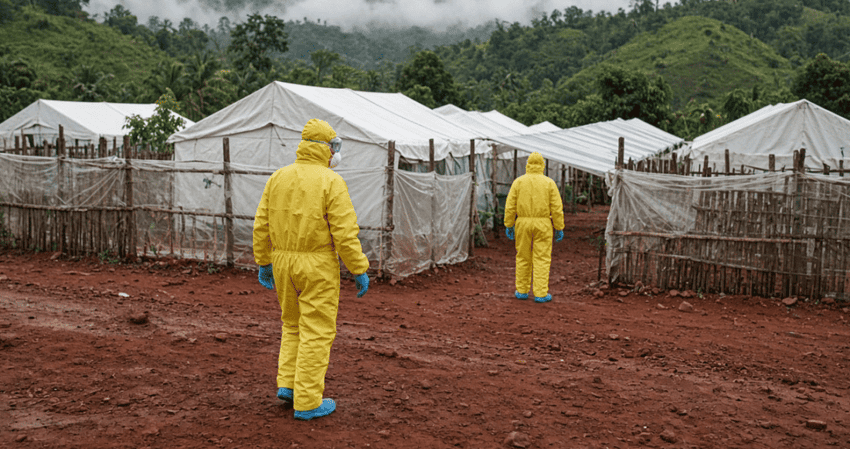
The Bundibugyo Ebola outbreak in the Democratic Republic of the Congo has now killed more than 5,000 people, making it the second-deadliest on record, as confirmed cases in Kenya and Nigeria raise fears of wider spread across Africa.
What Happened
Deaths in the Democratic Republic of the Congo’s Ebola outbreak have climbed past 5,000, official data show, as the virus keeps spreading and other African countries record cases. Health ministry figures reported by The Associated Press on Saturday, Oct. 31, put the toll at 5,026 deaths among 10,351 infections, a fatality rate of almost 50%.
A newer situation report from Congo’s National Institute of Biomedical Research (INRB), released on Sunday, raised the count to 5,372 deaths and 10,414 confirmed cases as of Oct. 30, a case fatality rate of 51.6%, Africanews reported. Officials said the jump reflected a retrospective reconciliation of data in Ituri province rather than a single-day surge.
The outbreak, caused by the Bundibugyo virus, was declared in mid-May. It is now the second-deadliest Ebola epidemic ever recorded, behind only the 2014-2016 West Africa outbreak that killed about 11,000 people. There is no approved vaccine or specific treatment for this strain, so doctors can only manage symptoms.
The disease has reached 67 of Congo’s 178 health zones in eight of its 26 provinces, and 50 of those zones still have active cases, according to AP. The eastern provinces of Ituri and North Kivu remain the epicenter, accounting for 9,782 confirmed cases and 4,792 deaths. About 2,788 patients have recovered.
Tracking the virus remains the biggest challenge. The Africa Centres for Disease Control and Prevention (Africa CDC) estimates that roughly 80% of new cases are emerging outside lists of monitored contacts. WHO official Dr. Patrick Otim told AP that around a third of deaths occur outside treatment centers, before patients are even tested. WHO’s latest outbreak bulletin, covering data to Oct. 20, said 307 of 482 recently reported deaths happened in communities.
The response is also hampered by conflict in eastern Congo, where the Rwanda-backed M23 rebels and the Allied Democratic Forces operate. Distrust has fueled attacks on health workers: a nurse was killed last week while responding to an Ebola alert. Unpaid staff at a treatment center in Tchomia, Ituri, went on strike on Friday over four months of missing wages.
Kenya and Nigeria Cases Make This Africa’s Most Widespread Ebola Outbreak
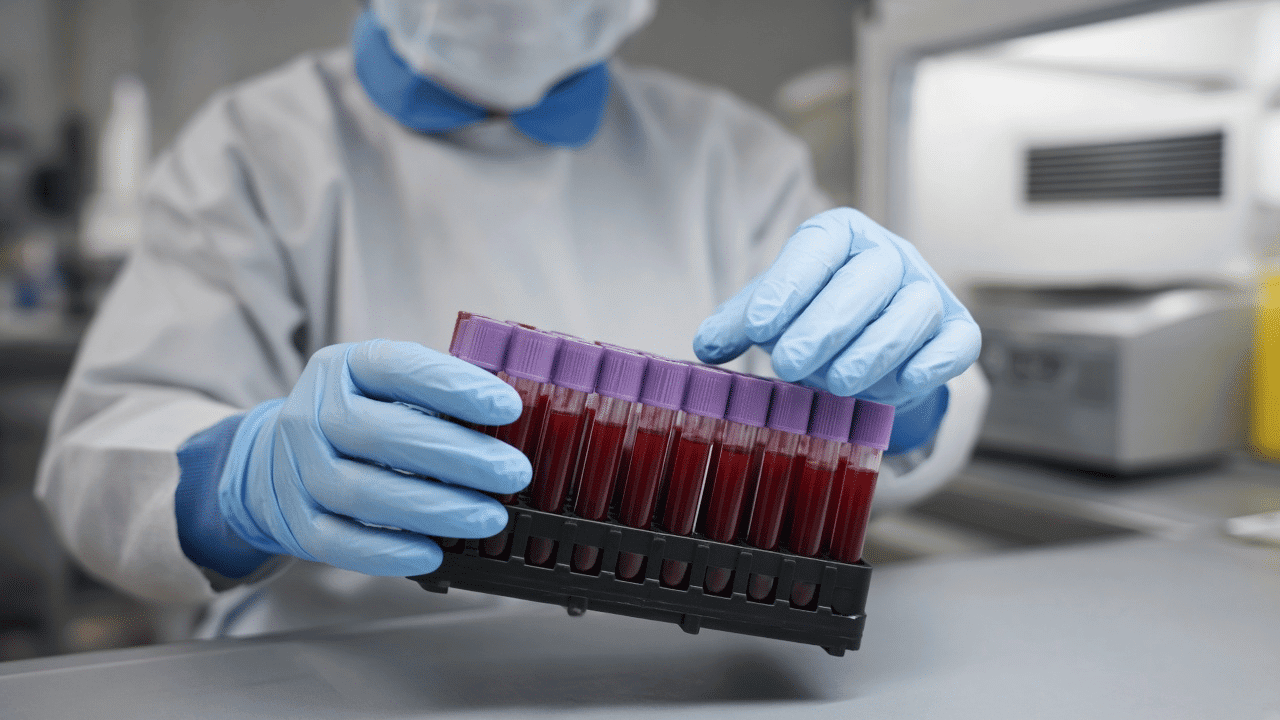
Confirmed infections in Kenya and Nigeria mean the virus has now reached three regions of the continent, a first for any Ebola epidemic, according to AP. The outbreak now spans Central, East and West Africa. Kenya’s first imported case, a person who traveled from Congo through Uganda, was confirmed on Oct. 6. The European Centre for Disease Prevention and Control (ECDC) said Kenya had nine confirmed cases, including two deaths, as of Oct. 26, all linked to that patient. Nigeria confirmed one imported case in Abuja on Oct. 20 in a woman who had traveled from Uganda; she was medically evacuated to Switzerland on Oct. 26, and 62 contacts were placed under follow-up.
Africa CDC Calls Health Ministers Together as the Outbreak Crosses Borders
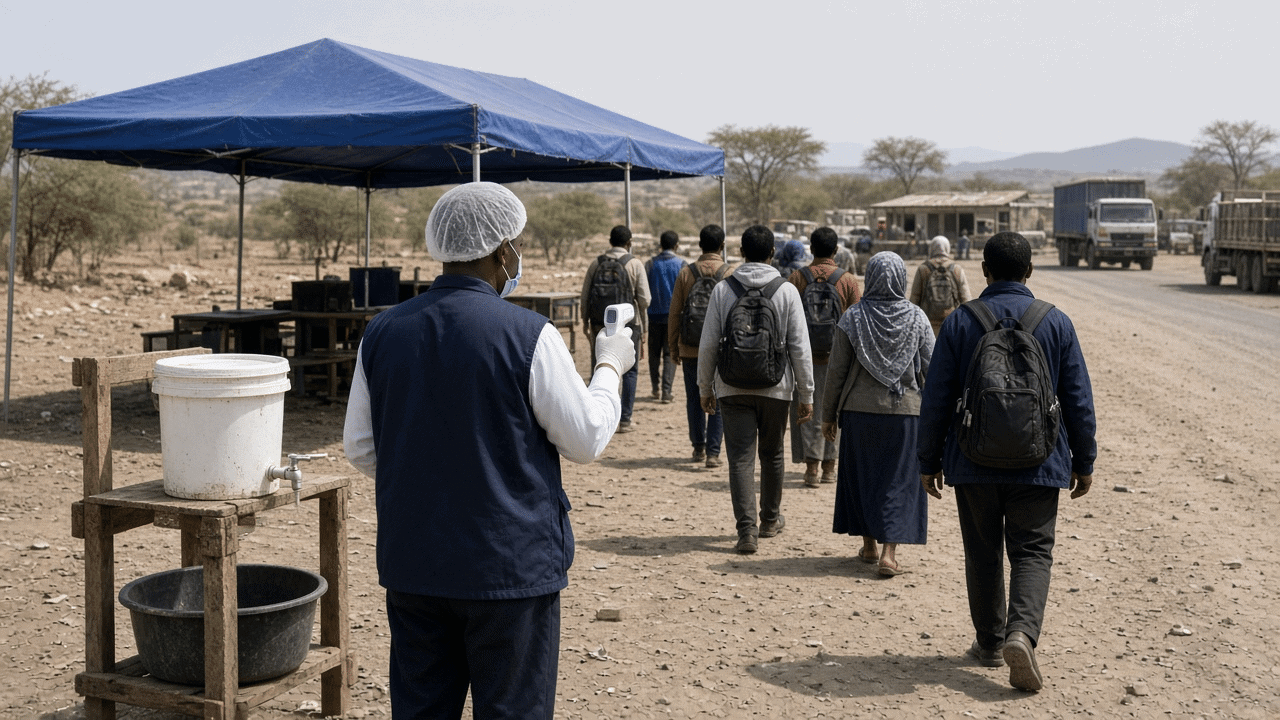
Africa CDC convened a high-level virtual meeting of the continent’s health chiefs on Oct. 28. The agency invited African ministers of health, warning that the epidemic posed an escalating threat to health security across Africa. Director General Dr. Jean Kaseya said Ebola was crossing borders and urged faster, better coordinated action backed by political leadership, arguing that Africa had the expertise to stop the outbreak. WHO has stressed the need for cross-border surveillance, monitoring at points of entry and rapid case detection, while advising against restrictions on travel or trade with affected countries. In Europe, the ECDC judged the risk of infection for EU/EEA residents to be very low.
Unpaid Health Workers and Armed Conflict Weaken Congo’s Ebola Response
Unpaid health workers in Ituri and North Kivu have repeatedly walked off the job, shutting treatment facilities over long delays in government payments. Staff at the Tchomia center, which was caring for five confirmed and 10 suspected patients, demanded four months of back pay, while an Ituri response official urged them to be patient. In Beni, a local official blamed rising cases on a lack of fuel and funding from Kinshasa. Insecurity adds to the strain: besides the nurse killed last week, a ruling-party politician was killed in September after promoting health measures on the radio.
Frequently Asked Questions
How many people have died in Congo’s Ebola outbreak?
Health ministry data reported by AP on Oct. 31 showed 5,026 deaths, while a later INRB report cited by Africanews put the toll at 5,372 as of Oct. 30 after a data adjustment.
What virus is causing the current Ebola outbreak?
The outbreak is caused by the Bundibugyo virus, a species of Ebola for which there is no approved vaccine or specific treatment.
Which countries outside Congo have reported cases?
Uganda reported cases earlier in the outbreak, and Kenya and Nigeria confirmed cases in October; WHO also lists France among the five countries affected since May.
Why is the outbreak so hard to contain?
Most new cases come from unknown chains of transmission, many patients die before reaching care, and armed conflict, attacks on health workers and unpaid staff strikes disrupt the response.
Is there a risk for travelers to Europe or elsewhere?
The ECDC rates the risk to people living in the EU/EEA as very low, and WHO advises against travel or trade restrictions on affected countries.
Conclusion
Congo’s Bundibugyo Ebola outbreak has passed a grim milestone, with official data now showing more than 5,000 deaths and over 10,000 confirmed cases since May. Without a vaccine or approved treatment, the response depends on finding cases early, yet most new infections are coming from unknown transmission chains and many victims die before they are tested. Armed conflict, attacks on health workers and unpaid staff strikes are deepening the crisis. With cases confirmed in Kenya and Nigeria, Africa CDC and WHO are pressing for stronger regional coordination to stop the second-deadliest Ebola epidemic in history from spreading further.
Bibliography / Sources
- The Associated Press. (2026, October 31). Congo Ebola outbreak deaths top 5,000 as fear of continent-wide spread mounts [News article]. NBC News. https://www.nbcnews.com/world/africa/congo-ebola-outbreak-deaths-top-5000-fear-continent-wide-spread-mounts-rcna606677
- Africanews. (2026, November 2). Ebola fatality rate in DR Congo tops 50% as death toll reaches 5,372 [News article]. Africanews. https://www.africanews.com/2026/11/02/ebola-fatality-rate-in-dr-congo-tops-50-as-death-toll-reaches-5372/
- World Health Organization. (2026, October 23). Ebola disease caused by Bundibugyo virus – Democratic Republic of the Congo, Kenya and Nigeria [Web page]. Disease Outbreak News. https://www.who.int/emergencies/disease-outbreak-news/item/2026-DON622
- European Centre for Disease Prevention and Control. (2026, October 29). Ebola disease outbreak caused by Bundibugyo virus – Multi-country – 2026 [Web page]. ECDC. https://www.ecdc.europa.eu/en/public-health-events/2026-eip-00026/2026-10-29
- Africa Centres for Disease Control and Prevention. (2026, October). Ebola: Africa CDC convenes African ministers of health as Ebola outbreak spreads across three regions [Web page]. Africa CDC. https://africacdc.org/news-item/africa-cdc-convenes-african-ministers-of-health-as-ebola-outbreak-spreads-across-three-regions/