



World
An energy shock tests the climate summit as COP31 opens in Antalya.
The climate summit in Antalya opens under an energy shock after the Iran war closed the Strait of Hormuz and drove oil and gas prices higher. Negotiators face hard choices on finance, electrification and who pays for faster climate action.
Key facts
- Nov. 9–20COP31 summit dates in Antalya, Turkey
- HormuzStrait closed; oil and gas prices higher, NPR reports
- StiellFossil-fuel cost chaos “spreading inflation like a cancer”
- U.S. absentNo official American presence at the talks, Guardian reports
Analysis: who gains and who loses at this climate summit
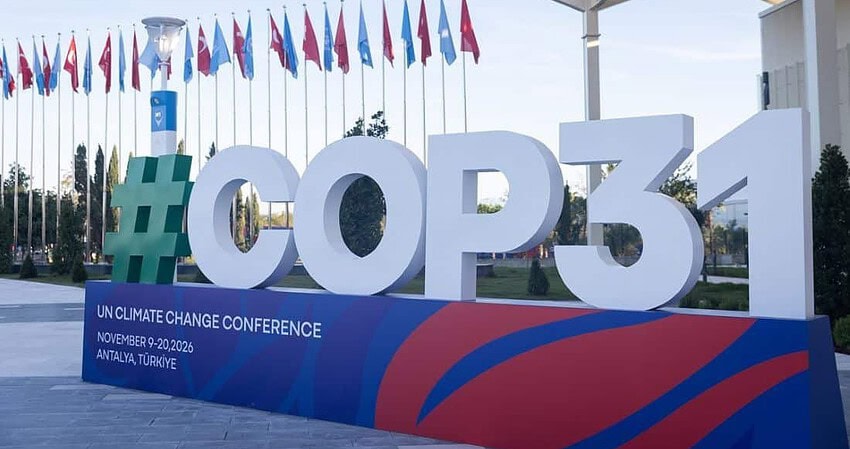
The climate summit known as COP31 opened Monday, November 9, 2026, in Antalya, Turkey. An energy shock hangs over the talks. NPR reports the Iran war closed the Strait of Hormuz and pushed oil and gas prices higher. That is the backdrop for this analysis.
This is not a simple rewrite of the opening day. The purpose of the summit coverage is clear. Leaders want climate promises turned into action. If that aim succeeds, energy importers and households hurt by fuel inflation stand to gain. So do countries seeking faster clean-power growth. Oil exporters that benefit from high prices stand to lose influence if the world speeds up electrification.
UN Climate Change chief Simon Stiell told the opening that fossil-fuel cost chaos is “spreading inflation like a cancer.” Host Turkey and co-chair Australia are pushing practical steps, including faster electrification. Developing countries want quicker climate finance. The United States is again absent from the official talks, according to The Guardian.
“spreading inflation like a cancer.”
High fuel prices pressure households while energy importers feel the shock
High fuel prices pressure households hard after the Hormuz disruption. NPR says the energy crisis has laid bare the risks of relying on fossil fuels. Energy importers feel the shock most when oil and gas spike. That pain can push governments toward solar, batteries and electric transport across whole regions.
Analysts cited by NPR call this different from past energy shocks because cheap clean options now exist. If COP31 locks in faster electrification, importers and consumers gain relief over time. Exporters that profit from today’s high prices lose ground if demand shifts. The shock itself becomes leverage for change at the climate summit.
Climate finance fights decide which vulnerable nations can adapt now
Climate finance fights decide which vulnerable nations can adapt now. UN News reports developing countries are pressing for faster access to funds for adaptation and cleaner development. If rich countries deliver, the most exposed communities gain. If talks stall, those same nations lose first and hardest.
Turkey’s Environment Minister Murat Kurum took the COP31 presidency. Australia’s Chris Bowen leads negotiations. Their co-host plan aims for early practical decisions. Success would give the hosts diplomatic credit. Failure would leave vulnerable states carrying the heaviest climate costs while money talks drag on in Antalya.
Frequently Asked Questions
When and where does COP31 take place?
COP31 opened November 9, 2026, in Antalya, Turkey, and is scheduled to run through November 20.
What energy shock hangs over the talks?
NPR reports the Iran war closed the Strait of Hormuz and drove oil and natural gas prices higher, creating a global energy crisis around the summit.
Who is leading COP31?
Turkey’s Environment Minister Murat Kurum is COP31 President. Australia’s Climate Change and Energy Minister Chris Bowen leads the formal negotiations under a co-host arrangement.
Who stands to gain or lose in this analysis?
If electrification and climate finance move faster, energy importers, households hit by fuel costs, and vulnerable nations gain. Fossil exporters that benefit from high prices, and countries that stall finance, lose relative ground. The U.S. loses official presence by staying away.
Is this article reporting or analysis?
It is labeled analysis. Core facts come from verified sources. The gain-and-loss framing interprets the purpose of the summit under the energy shock.
Conclusion
COP31 opens as climate extremes rise and fuel prices bite. The summit’s stated aim is action, not another round of empty promises. On the evidence reviewed here, faster electrification and real finance would help importers, hard-pressed households and vulnerable nations. Delay would protect short-term fossil profits while leaving exposed communities to carry the cost. Turkey and Australia now share the gavel. Whether they can turn that pressure into concrete decisions will decide who leaves Antalya stronger—and who leaves still waiting. That is the real test of this climate summit under the energy shock for every nation present.
Bibliography / Sources
- Simon, J. (2026, November 9). U.N. climate talks begin today. Here are 3 things to know [News article]. NPR. https://www.npr.org/2026/11/09/nx-s1-6026787/climate-talks-antalya-turkey-cop31
- Quinones, L. (2026, November 9). COP31 opens in Antalya: Can climate promises finally deliver results? [News article]. UN News. https://news.un.org/en/story/2026/11/1168763
- Niranjan, A. (2026, November 9). Cop31 as it happened: world leaders gather for crucial climate crisis talks [Live news blog]. The Guardian. https://www.theguardian.com/environment/live/2026/nov/09/cop31-climate-crisis-talks-turkey-latest-news-updates