


World
Myanmar is Guilty of Rohingya Genocide. The World Court ruled on November 19, but justice waits because the court cannot enforce the order.
Myanmar is guilty of Rohingya genocide, the World Court ruled on November 19, but justice waits because the court cannot enforce the order. The judges voted 9-6. Myanmar must allow a safe return, prosecute suspects and pay later reparations.
Key facts
- Nov. 19The World Court delivered the judgment in The Hague
- 9-6The vote on the finding that Myanmar committed genocide
- About 10,000Rohingya killed in the 2017 operations, the court said
- First timeThe court held a state responsible for committing genocide
Analysis: Myanmar is guilty, but justice waits
This analysis starts with a clear judgment. Myanmar is guilty of genocide. Justice waits, because the court that said so cannot force the state to comply.
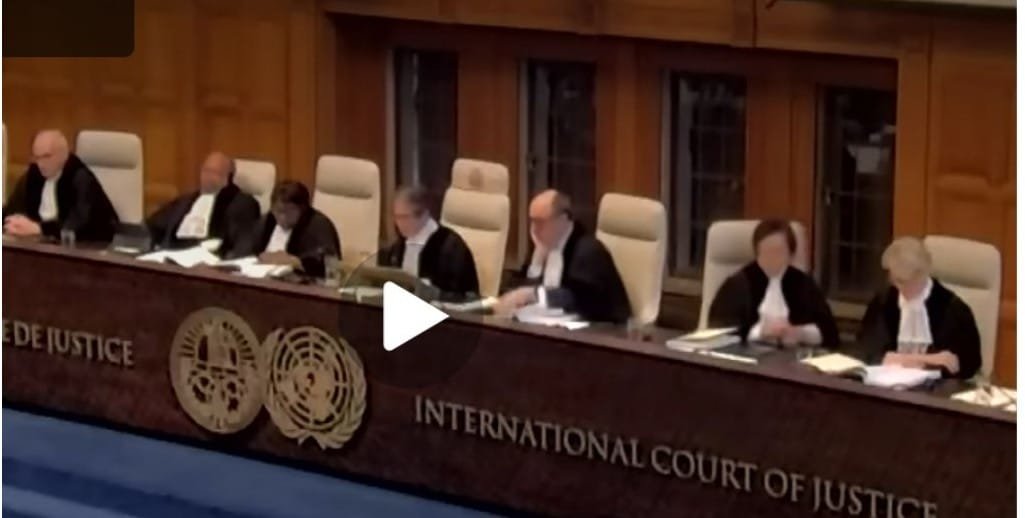
The International Court of Justice ruled on Thursday, November 19, that Myanmar committed genocide against the Rohingya in 2017. Judge Yuji Iwasawa said the security forces “killed thousands of Rohingya civilians, perpetrated widespread acts of sexual violence as well as acts of extreme violence against children and attacked fleeing Rohingya.” The main finding was adopted by 9 votes to 6. It is the first time this court has held a state responsible for committing genocide.
“killed thousands of Rohingya civilians, perpetrated widespread acts of sexual violence as well as acts of extreme violence against children and attacked fleeing Rohingya”
The court cited about 10,000 Rohingya killed and some 700,000 who fled to Bangladesh. It ordered a safe, voluntary and dignified return, investigations and prosecutions where warranted, and later compensation.
The aim was to fix blame on the state. The Rohingya gain a historic finding. Myanmar loses the claim this was only a fight with insurgents. The ruling is final and cannot be appealed, and the court has very limited options to enforce it. Britain is expelling Myanmar’s defense attaché and has called for a Security Council session. The verdict is on the page. The return is not.
The World Court finds Myanmar guilty of a Rohingya genocide
The World Court finds Myanmar guilty of a Rohingya genocide, by 9 votes to 6, in a case brought by The Gambia in 2019. Iwasawa said the security forces killed thousands of civilians, carried out widespread sexual violence and extreme violence against children, and attacked people who fled. The court found an intent to destroy a substantial part of the Rohingya population in northern Rakhine. It also found that Myanmar failed to prevent and punish genocide.
The court also orders a return, trials and later reparations
The court also orders a return, trials and later reparations. Myanmar must allow the safe, voluntary and dignified return of Rohingya displaced by its wrongful acts, and the reunification of families. It must investigate all persons reasonably suspected of genocidal acts in the 2017 operations and, if warranted, prosecute and punish them. The amount of compensation will be set in a later phase. Myanmar has two years to report on restitution and on how compensation would work.
A guilty verdict still leaves a weak world court behind
A guilty verdict still leaves a weak world court behind. The judgment is final and cannot be appealed, Reuters reported, but “the court has very limited options to enforce them.” The United Kingdom is expelling Myanmar’s defense attaché and has called urgently for a U.N. Security Council session. The Trump administration said it was withholding judgment on the verdict. The State Department said it was “studying the decision to fully assess its implications.”
Frequently Asked Questions
When did the court rule, and who brought the case?
The International Court of Justice delivered the judgment on Thursday, November 19, 2026, in The Hague. The Gambia filed the case in November 2019. Eleven states later intervened. The case is Application of the Convention on the Prevention and Punishment of the Crime of Genocide (The Gambia v. Myanmar).
What did the court find against Myanmar?
By 9 votes to 6, it found that Myanmar committed genocide against the Rohingya during the 2017 operations in northern Rakhine State. It also found that Myanmar failed to prevent and punish genocide. It did not find that Myanmar had “directly and publicly” incited genocide. The court said this was the first time it had held a state responsible for committing genocide.
What must Myanmar do under the judgment?
It must allow the safe, voluntary and dignified return of Rohingya displaced by its wrongful acts, and the reunification of families, in Myanmar or abroad. It must investigate all persons reasonably suspected of genocidal acts and, if warranted, prosecute and punish them. Compensation and other reparation will be set in a later phase. Myanmar must report within two years on restitution and on the amount and modalities of compensation.
Can the World Court enforce this ruling?
The judgment is final, binding, and cannot be appealed. Reuters reported that the court has very limited options to enforce it. The court can report noncompliance to the U.N. Security Council. Britain is expelling Myanmar’s defense attaché and has called urgently for a Council session. The Trump administration said it was withholding judgment. The State Department said it was “studying the decision to fully assess its implications.”
Is this article news or analysis?
It is labeled analysis. The facts come from the court’s judgment and from reporting by Reuters and the Associated Press. The judgment about who gains and who loses, and why justice still waits, is the point of the piece.
Conclusion
Myanmar is guilty, and that is now a finding of the World Court. This analysis starts there. The Rohingya gain a historic judgment, an order of return, and a promise of later payment. The Gambia, which brought the case, gains a precedent no state had faced at this court before. Myanmar loses the legal cover of a counterinsurgency story. Justice still waits, because a final ruling is not the same as a return home or a paid debt. The court cannot police the border or the camps. The Security Council has been asked to meet. Until the orders are carried out, the verdict is a record of the crime, not the end of it.
Bibliography / Sources
- International Court of Justice. (2026, November 19). Application of the Convention on the Prevention and Punishment of the Crime of Genocide (The Gambia v. Myanmar: 11 States intervening) [Judgment].
- van den Berg, S., Deutsch, A., & Paul, R. (2026, November 19). Top UN court finds Myanmar committed genocide against Muslim Rohingya [News article]. Reuters.
- Corder, M., & Quell, M. (2026, November 19). UN court finds Myanmar committed genocide against Rohingya [News article]. Associated Press.