



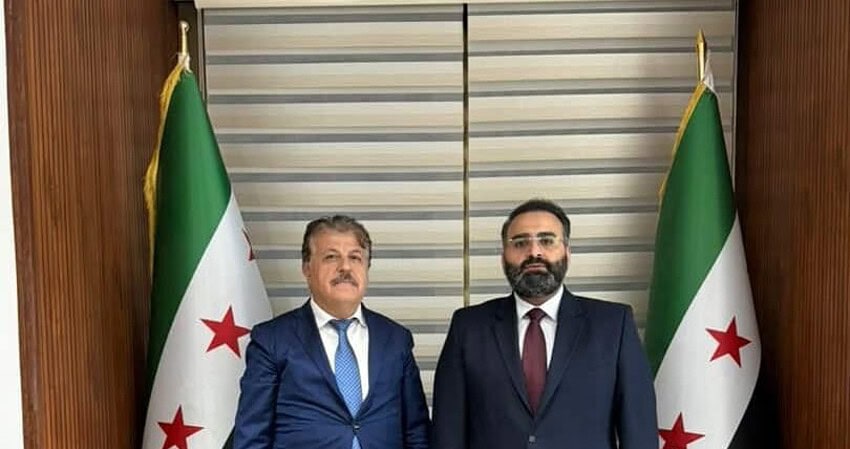
Syria’s Information Minister wants the world to know its people and culture.
Syria’s New Media Vision: Transparency, Trust and Freedom
World Should Know yria and Syrians Closely—that is the core message Information Minister Dr. Halid Fevvaz Zaarur shared with American News Agency. The interview took place at the ministry building in Damascus. He explained new media policies, press-freedom reforms and how Syria wants to speak to the world.
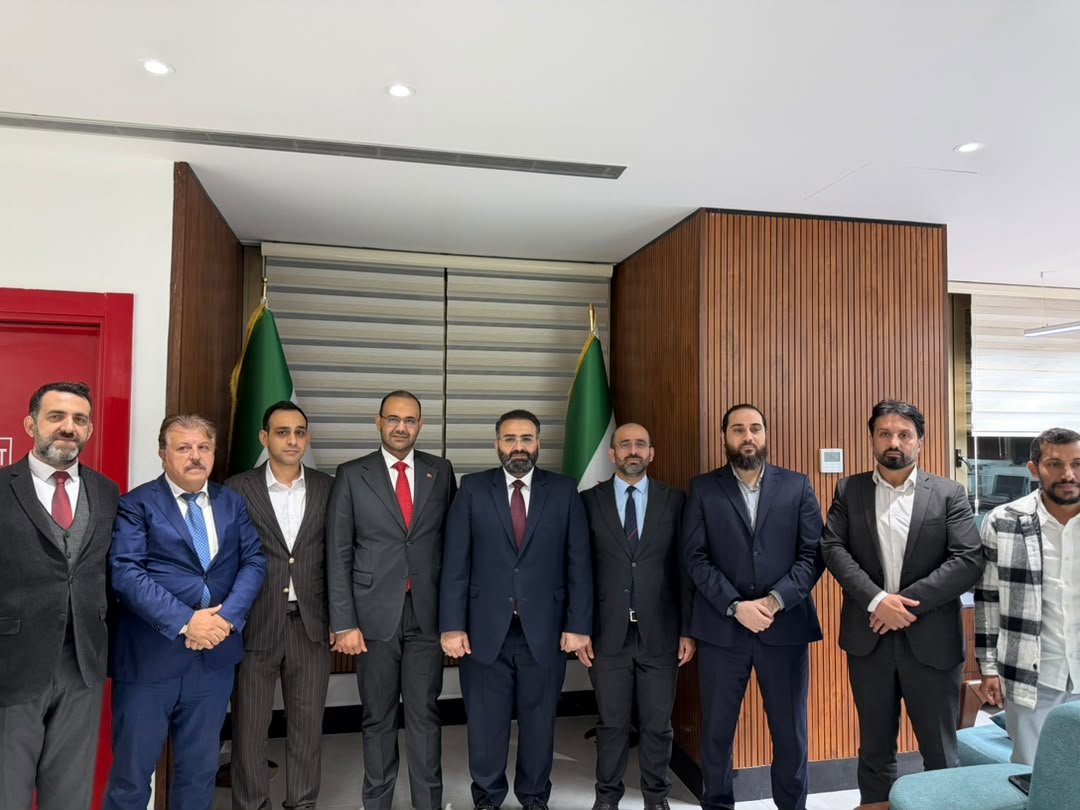
Zaarur said the ministry works from a clear vision: a free, professional and responsible media that serves society, keeps pace with digital change and stays open to international experience. He said a new Media Law draft, prepared with Syrian experts and journalists, is a major step in the country’s reform path.
“We want to tell Syria’s present with facts.”
“We are building a freer, more professional media that serves society.”
Syria’s New Media Vision
Q: What are the Information Ministry’s priorities in Syria’s new period?
Minister Zaarur: Priorities rest on three linked tracks. First, build media laws that fit the new Syria and support a professional, responsible sector. The ministry prepared a Media Law draft with Syrian experts and journalists through meetings and workshops. Review and debate continue so the bill can move through the legislature. The draft aims to regulate media work, protect workers’ rights and strengthen independence and responsibility.
Second, confront disinformation, distorted facts and information manipulation. Fake accounts can spread rumors, sow division and mislead the public, harming stability and social peace. The ministry sees this as a national and professional duty that needs better monitoring, faster media response and reliable information. Media literacy helps citizens tell trusted content from misleading claims.
Third, develop Syria’s media system for fast technological change. That means modernizing technical and institutional infrastructure, giving journalists better tools and raising visibility across platforms. Digital transformation, artificial intelligence and modern technologies get special attention. Success, he said, needs partnership with journalists, outlets, universities, research centers and society—not only the ministry.
Q: How do you set short-term and long-term goals?
Minister Zaarur: We separate urgent reforms from gradual institutional change. Short-term goals include finishing the Media Law process, improving journalists’ access to information, simplifying administration, strengthening public communication and fact-checking, and expanding professional and digital training. Long-term goals include a diverse media system—public, private and independent—that supports innovation, investment, specialist reporting, data journalism and multimedia. Progress is measured by service quality, response speed, access to information, corrections, skills and worker safety. Real reform, he said, shows up in daily practice and in trust earned through performance.
Q: How will you present Syria more accurately to international audiences?
Minister Zaarur: A correct image starts with access to information, stronger transparency and the ability of foreign journalists to reach sources and check facts independently. The ministry wants earlier detection of misleading claims and timely, documented replies. It is easing work for foreign reporters, improving services, expanding multilingual content and encouraging documentaries and specialist research on political, economic, social and cultural change. Fighting disinformation must respect press freedom and pluralism, and must separate false information from legitimate criticism. The goal is that world knowledge of Syria rests on facts, reliable sources and information journalists can verify themselves.
Q: Syria has long been linked in foreign media to war and crisis. How will cultural, economic and social sides get more attention?
Minister Zaarur: War years left deep marks, and documenting suffering is part of respect for truth and victims’ rights. Syria also has a rich civilization, cultural diversity and creative and economic capacity that deserve wider coverage. The ministry encourages cooperation with culture, tourism and economy bodies, outlets and independent producers on documentaries, programs and reports about historic cities, heritage, arts, drama, crafts, recovery and entrepreneurship. Changing global perception takes time. For now, he said, the priority is to tell the truth and Syria’s present.
Press Freedom, Legislation and Professional Safeguards
Q: What reforms are planned to strengthen press freedom and media pluralism?
Minister Zaarur: Press freedom and pluralism are central to the media reform project. They need clear law, institutional guarantees and practice that respects journalistic independence. The new Media Law draft includes removing restrictive penalties for journalism offenses, strengthening the right to access information and protecting source confidentiality. Consultation with journalists and professional bodies continues. Pluralism and professional criticism help institutions understand public needs and improve performance. Success means a journalist can do the job, ask questions, debate public policy and give citizens many reliable sources.
Q: What legal and institutional guarantees will let journalists work without fear of pressure?
Minister Zaarur: Real guarantees start with clear law, steady application and procedures that protect rights, independence and safety. The draft focuses on source protection, access to information and clear duties and legal steps. Accreditation and licensing should rest on announced, transparent criteria, with clear paths for appeal and complaint. Syria’s media environment still faces real challenges. Issues documented by professional and human-rights groups are treated as matters for verification, follow-up, remedy and accountability under the law. Professional and digital safety, and ethical mechanisms that keep editorial decisions independent, also matter. A journalist’s protection is measured by the ability to work independently and safely, and by institutions that take complaints seriously.
Media Diplomacy in Syria’s Reconstruction
Q: How is media law being aligned with international standards, and how is capacity being built?
Minister Zaarur: The ministry draws on international experience on expression, pluralism, journalist protection and access to information, while respecting Syrian society’s character and institutional needs. Work covers better legal and professional governance, self-regulation, ethics and updated digital-media frameworks. Steps include Professional and Ethical Codes of Conduct prepared after broad consultation with media workers, and the ongoing Media Law draft.
On capacity, the Information Ministry and the Syrian Media Academy, in partnership with the United Nations Development Programme (UNDP), ran 35 training programs in nine provinces. More than 775 women and men took part in a project on media capacity, fighting hate speech and peacebuilding. Other projects ran in different fields. Academic curricula are being updated, with more training in digital, investigative and data journalism and fact-checking. Aligning law with international standards gains real value when it shows up in journalists’ rights, institutional quality and freedom of access to information.
Digital Media, International Cooperation and Syria–Türkiye Cooperation
Q: Are there international plans to modernize media infrastructure and train young journalists in digital work?
Minister Zaarur: Digital media is a core track. Priorities include modernizing newsrooms, studios, content and archive systems; developing multimedia, data journalism and audiovisual work such as digital video, podcasts and interactive content; and helping digital outlets and young producers build skills and sustainable models. Digital security, fact-checking and fighting deepfakes get special attention. Artificial intelligence may support translation, archiving, data analysis and production if editorial and verification stay under human responsibility. The ministry has discussed cooperation with international technology companies, including Meta, on digital communication, user safety and fighting misleading information. It welcomes partnerships based on practical training, knowledge transfer and local expertise.
Q: What is your vision for co-productions and news cooperation with regional outlets, especially in Türkiye?
Minister Zaarur: Joint productions can deepen mutual understanding, grow creative industries and go beyond the daily news cycle. Syria and Türkiye share geography, history, culture and social ties, and rich material for documentaries and culture programs. Projects could cover regional history and heritage, social life, economic change, Syrians at home and abroad, education, work and recovery. Syria’s drama sector has strong creative experience that can meet Turkish production capacity on equal terms. Newsroom, academic and production exchanges also matter. Partnerships should respect editorial independence, intellectual property and workers’ rights.
Q: Is there a special promotion program for Syria’s history, heritage, tourism and economic opportunities?
Minister Zaarur: National authorities are working with media and professional partners on a joined-up approach to present Syria’s civilization, culture, tourism and economic value. Multilingual content, documentaries, specialist programs, field press visits and use of international fairs and festivals all matter. On the economy, accurate and current information on investment opportunities, promising sectors and real challenges helps investors make realistic judgments. Lasting media visibility rests on reliable information, direct experience and professional content that shows a country in balance.
Q: What roadmap do you see for visits, joint documentaries and culture programs between Turkish and Syrian journalists?
Minister Zaarur: Stronger Syria–Türkiye media cooperation needs a practical roadmap in three linked stages. First, clearer channels between outlets and authorities, easier professional visits and news follow-up requests, and better information on procedures and services for journalists. Second, wider training and exchange so young journalists can visit newsrooms, production centers and academic institutions and learn current digital, television and documentary practice. Third, model co-productions under clear agreements on duties, resources and professional rights. Regular monitoring should measure cooperation by finished works, shared experience, built capacity and lasting professional ties.
Q: How do you view learning from Türkiye’s experience in television, digital publishing and communication technology?
Minister Zaarur: Türkiye has strong experience in television production, drama, media industries, digital platforms and public communication—areas that match Syria’s needs. Talks with the Turkish side have covered public communication, cybersecurity, professional training, scientific research in media and closer ties between outlets. Extra opportunities exist in modernizing studios and newsrooms, visual and digital production, content management and broadcast technology. The principle is to adapt successful experience to Syrian needs, focus on local capacity and knowledge transfer, and also welcome Arab and international partners so Syrian institutions keep professional and technical independence.
Q: Is an agreement or joint media platform for regular information sharing on the agenda?
Minister Zaarur: A base for Syria–Türkiye media cooperation already exists. In June 2026, in a meeting with Türkiye’s ambassador in Damascus, Dr. Nuh Yılmaz, they discussed how to turn signed media memoranda into practical programs and projects. The near-term priority is to build on those memoranda—especially training, co-production, technical exchange and news cooperation. A shared platform or further institutional steps can be studied with Turkish partners against real needs, legal frameworks and a suitable governance model. Any framework should protect editorial independence, respect data privacy and intellectual property, and offer clear mechanisms for reliable information sharing.
Syria’s Message to the World
Q: What is your main message so the world sees Syria’s future goals and achievements, not only its crises?
Minister Zaarur: Syria is a country with deep history and civilization, rich culture and social diversity. Its people have the knowledge, creativity and will to build a better future. Syrians lived hard years that left deep human, economic and social marks. Respecting that experience and the memory of victims is a duty—and so is working for a future based on dignity, justice, stability and development. Reconstruction is a long process that needs national effort, effective institutions, international partnerships and trust earned through results. International media that seek to understand Syria in depth, tell its stories with professionalism and make room for different voices are welcome. We want the world to know Syria through its people, culture, institutions and the transformations it is living—and to see both progress made and areas that still need work. The image we want the world to know will be built by what Syrians achieve, what institutions can deliver and what people feel in daily life.
Q: What is your message to international media, investors and communication companies that want to help reconstruction?
Minister Zaarur: We welcome sustainable professional, technical and investment partnerships that help develop Syria’s media and communication sector. Needs are wide: infrastructure, studio and newsroom modernization, television and documentary production, digital platforms, training, information security and modern technologies. There are also opportunities to invest in creative industries, digital media and startups, and to build business models that give Syrian outlets economic sustainability and professional competitiveness. Partnerships should rest on clear legal frameworks, transparent procedures, respect for workers’ rights, intellectual property and data protection, with priority for knowledge transfer and national skills. International outlets are invited to widen professional cooperation with Syrian journalists and institutions, and to encourage co-productions and independent reporting that deepen understanding of the changes underway. Investment in media is investment in knowledge, skills, creative industries and the public’s capacity to take part in civic life with awareness. We hope for long-term partnerships based on mutual respect and shared interest that produce concrete results for the media sector and for Syrian society.
Q: Closing statement
Minister Zaarur: At the end of this interview, I thank those who take interest in Syria’s story and stress our appreciation for the human and cultural ties that link the Syrian and Turkish peoples. We hope cooperation between media outlets in both countries will grow, that experience and knowledge sharing will expand, and that professional and creative projects will help the public understand both societies more deeply. We are working to build a freer, more professional media sector in Syria with a greater capacity to serve society. That process needs constant institutional effort, openness to successful experience and a willingness to review performance and correct mistakes. We believe the media we want to reach is one that protects truth, respects people, strengthens knowledge and trust, and helps build a better future for the next generation.
Frequently Asked Questions
Who is Syria’s Information Minister in this interview?
Dr. Halid Fevvaz Zaarur is the Information Minister of the Syrian Arab Republic. Newsletter America spoke with him at the ministry building in Damascus.
What are the ministry’s three main priorities?
The ministry focuses on a new media law for a professional and responsible sector, fighting disinformation and false accounts, and modernizing Syria’s media system for digital and technological change.
What does the new Media Law draft aim to do?
The draft seeks to regulate media work, protect journalists’ rights, strengthen independence and responsibility, ease restrictive penalties for journalism offenses, improve access to information, and protect source confidentiality. Consultations and the legislative process are ongoing.
How is Syria working with Türkiye on media?
In June 2026, Minister Zaarur met Türkiye’s ambassador in Damascus, Dr. Nuh Yılmaz, to turn existing media memoranda into practical programs on training, co-production, technical exchange and news cooperation.
What training work has the ministry done with UNDP?
With the Syrian Media Academy and UNDP, the ministry ran 35 training programs in nine provinces on media capacity, hate-speech prevention and peacebuilding. More than 775 women and men took part.
Conclusion
Minister Zaarur’s message is clear. He wants the world to know Syria through its people, culture, institutions and the changes underway—not only through old crisis headlines. His ministry is drafting a Media Law, fighting false information, upgrading digital tools and seeking lasting partnerships, including with Türkiye. Training with UNDP and talks with tech firms such as Meta show a push for skills and safer digital spaces. He thanks readers who follow Syria’s story and says the media he hopes to build will protect truth, respect people, strengthen trust and help create a better future for the next generation.
Bibliography / Sources
- Turan, H., & Arvas, M. S. (2026, November 9). Exclusive interview with Syrian Information Minister Dr. Halid Fevvaz Zaarur [Interview]. Newsletter America. https://newsletteramerica.com/